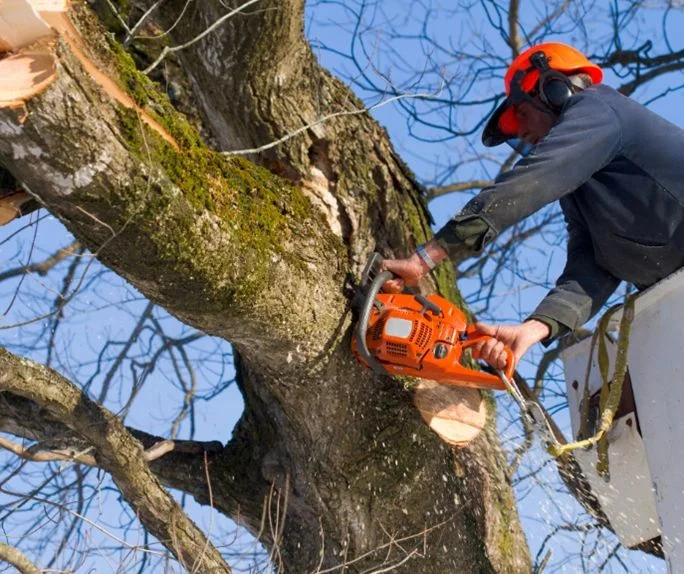
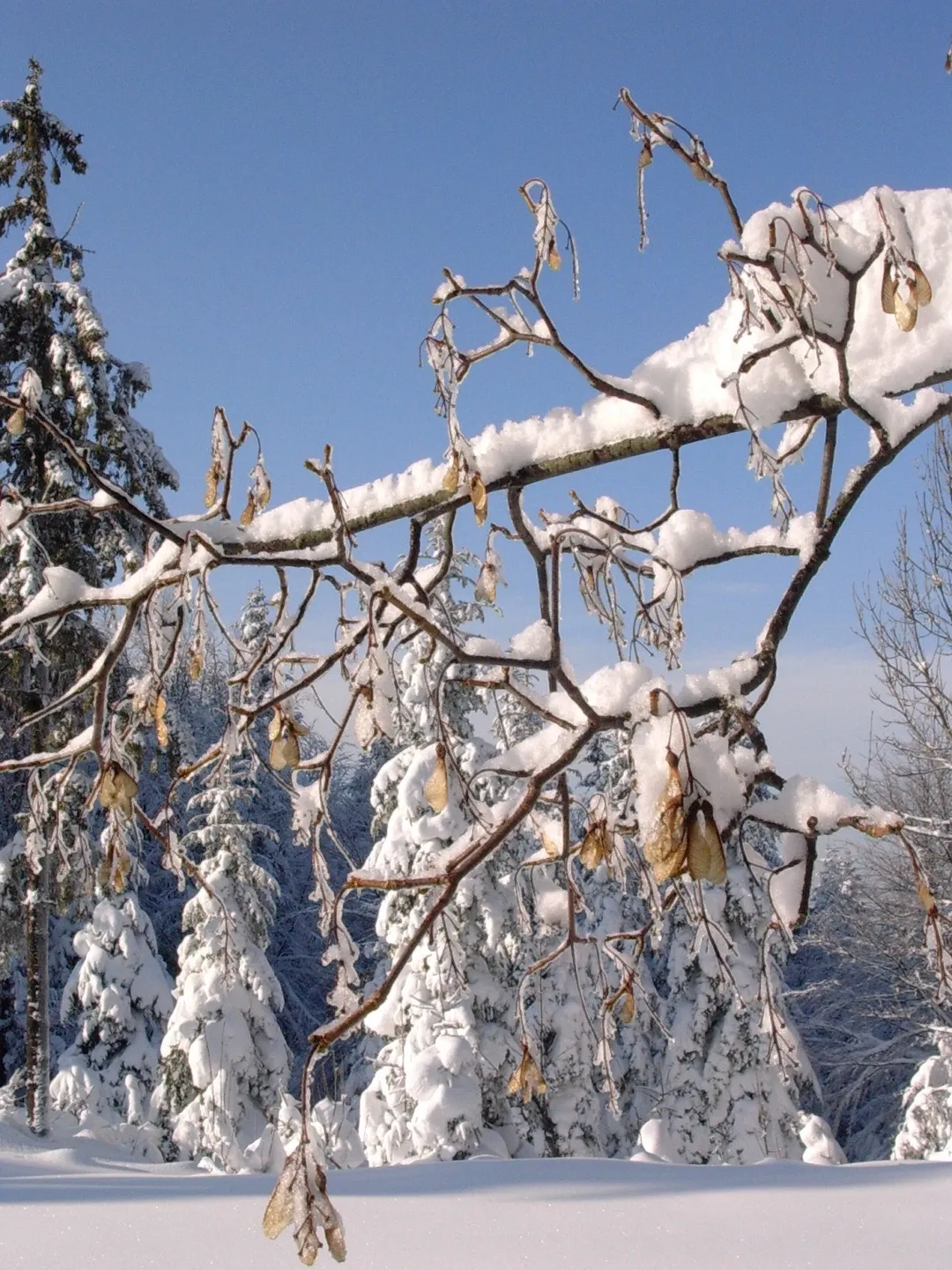
As the Maryland landscape prepares for its winter slumber, homeowners are often busy winterizing pipes and checking heaters. However, one of the most critical questions for property safety remains: should you remove trees before winter? In the Mid-Atlantic, our winters are notorious for "heavy" weather (wet snow, freezing rain and ice) that places immense physical stress on our local canopy.
At Genesis Tree Care, we have seen countless homeowners regret waiting until spring. A tree that looks slightly weathered in October can become a catastrophic liability in January. This guide explains why proactive removal is the smartest move for your safety, your budget and the health of your lawn.
1. The Weight of Winter: Ice and Snow Loads
The primary reason behind the question "Should you remove trees before winter?" is the sheer weight of frozen precipitation. A healthy tree is flexible, but a dead or diseased tree is brittle.
When Maryland experiences an ice storm, just a quarter-inch of ice can add hundreds of pounds of weight to a tree's branches. If that tree has internal decay or structural flaws, it simply cannot support the load. By removing hazard trees in the late fall, you eliminate the risk of a tree collapsing under ice and crushing your roof, gutters or power lines during a blizzard when help is hardest to reach.
2. Frozen Ground and Lawn Protection
Many homeowners worry that heavy equipment will tear up their yard. Ironically, early winter is often the best time for tree work because of the ground condition.
If you choose to remove a tree once the ground has frozen, our equipment, including bucket trucks and loaders, can maneuver across your lawn with minimal impact. Unlike the soft, muddy soil of spring or the humid heat of summer, the frozen earth acts as a protective shield for your turf. Waiting for the spring thaw often results in deep ruts and the need for expensive landscaping and mulching repairs that could have been avoided.
3. Visibility and Structural Assessment
Once the leaves have fallen in the late autumn, a certified arborist can see the "skeleton" of the tree with perfect clarity. This is the best time to identify:
- Vertical cracks: These are often hidden by summer foliage but are clear indicators of a tree about to split.
- V-shaped unions: Deeply narrow junctions between trunks are prone to prying apart under the weight of snow.
- Deadwood: Without leaves in the way, our crew can quickly identify and remove the dead limbs that are most likely to fail.
If our assessment shows that the tree is beyond saving, we can coordinate a safe removal before the first major storm hits, rather than having to perform a high-stakes emergency tree service in sub-zero temperatures.
4. Financial and Scheduling Strategic Wins
The off-season of late fall and early winter is often the most efficient time to schedule work. During the peak of spring and the aftermath of summer storms, tree services are often booked weeks or months out. By acting now, you get faster service and the luxury of choosing a time that fits your schedule.
Additionally, proactive removal is almost always cheaper than storm damage restoration. Emergency calls during a snowstorm involve hazardous conditions, overtime labor and specialized equipment, which can double or triple the cost of a standard removal.
5. Protecting the Rest of Your Landscape
When you remove a diseased tree before winter, you are also protecting the healthy trees on your property. Many pests and fungi, such as the emerald ash borer or Dutch elm disease, overwinter in dead wood. By removing the host tree before the spring thaw, you prevent a new generation of pests from emerging and attacking the rest of your canopy when the weather warms.
FAQ: Maryland Winter Tree Removal
Is it safe to cut down a tree when it's snowing?
While we can work in light snow, heavy winds and blizzards make the work dangerous. This is why we urge homeowners to act during the clear days of late fall and early winter.
Will the noise of a winter removal bother my neighbors more?
Actually, with windows closed for the winter, the sound of chainsaws and chippers is much less intrusive than it is during the summer months when people are active outdoors.
Do I need a permit for winter tree removal?
Local Maryland regulations regarding tree removal apply year-round. Our team at Genesis Tree Care handles the paperwork and permit process for our clients to ensure a stress-free experience.
What if a tree falls on my house during a winter storm?
If the unthinkable happens, you should immediately call for an emergency tree service. However, following this guide's advice on proactive removal is the best way to ensure you never have to make that call.
Conclusion
So, should you remove trees before winter? In Maryland, the answer is a definitive yes. Taking action now protects your home from the crushing weight of ice, preserves your lawn from equipment ruts and ensures your property is safe for the holidays.
At Genesis Tree Care, we are committed to helping our neighbors navigate the challenges of the Mid-Atlantic climate. Don't let a hazard tree turn your winter wonderland into a winter disaster. Let our expert team provide the safe, professional tree removal you need to enjoy a worry-free season.
Secure your home before the first snow: schedule your tree assessment with Genesis Tree Care today.