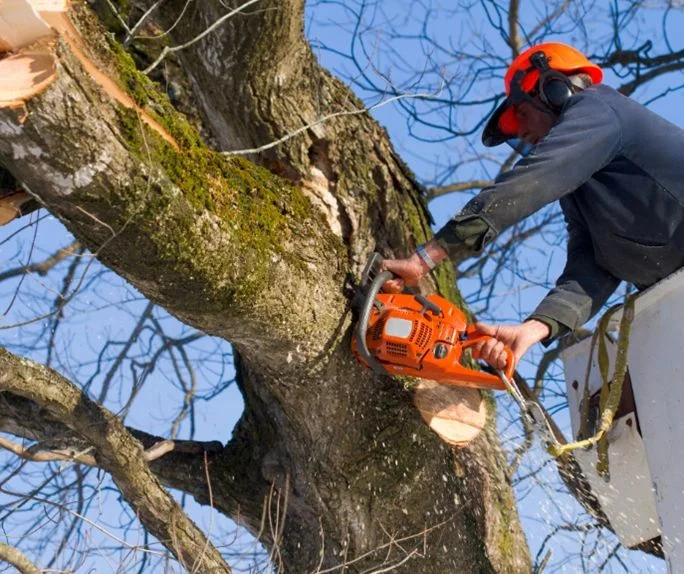

As the Maryland landscape turns gold and crimson, most homeowners are focused on raking leaves and cleaning gutters. Autumn is also a critical window for property safety. Knowing when to schedule fall tree removal is about more than checking a chore off your list; it's about timing your landscape work to avoid the high-risk conditions of winter.
At Genesis Tree Care, we often see a surge in emergency calls during the first major ice storm of the year. Many of these emergencies could have been prevented by a proactive removal just a few weeks earlier. This guide explains the best timing for autumn tree work and why waiting until the first snow is a gamble you don't want to take.
1. The Before-the-Ice Window: September and October
In Maryland, the main reason to think carefully about timing is the weather. September and October are ideal months to identify and remove hazardous trees.
Once the leaves begin to thin, a certified arborist can get a clearer view of the tree's structure. More importantly, removing a dead or dying tree in early fall means it isn't standing when the first heavy, wet snow or nor'easter wind arrives. A tree that survived a summer thunderstorm may not survive the added weight of an ice storm.
2. Why Early Fall Removals Protect Your Property
When you schedule fall tree removal also affects the health of your remaining landscape.
- Soil stability: In early fall, the ground is usually still firm and relatively dry, so heavy equipment like bucket trucks or cranes can move across your lawn with minimal impact. Once late-fall rains saturate the ground, heavy machinery can cause deep ruts and soil compaction.
- Protecting neighboring plants: Many perennials and shrubs go dormant in late fall. Removing a large tree while neighboring plants are dormant reduces the risk of collateral damage to your landscaping and mulch beds.
3. Identifying Hazard Trees Before Dormancy
It is much easier to identify a dying tree in early fall than in the dead of winter. If a tree on your property drops its leaves well before its neighbors, or its leaves turn brown and brittle without the usual autumn color, the tree is in distress.
By scheduling your removal before the tree goes fully dormant, our team can more accurately assess the wood's strength. Once a tree is bare in winter, it can be hard for an untrained eye to tell a healthy dormant tree from a dead one until a limb crashes down. If you notice these warning signs, request a tree risk assessment.
4. Financial Benefits of Fall Planning
Scheduling your removal in the fall can also be a savvy financial move. Late winter and early spring are busy seasons for tree companies as people prepare for the growing season. Choosing the autumn shoulder season can give you more scheduling flexibility.
And removing a tree proactively in October is almost always less expensive than an emergency cleanup in the middle of a December storm. Planned removals allow a controlled, safe work environment, which keeps labor costs predictable.
5. Preparing the Site for Spring
Removing a tree in the fall gives the area time to settle over the winter. If you plan to replant or install new landscaping in the spring, fall is also a good time for stump grinding. The soil can stabilize and remaining root matter can begin breaking down during the wet winter months, leaving you a blank canvas for spring projects.
FAQ: Fall Tree Removal in Maryland
Can I remove a tree after the ground has frozen?
Yes, tree removal is possible year-round. Frozen ground can even be better for very heavy equipment because it helps prevent lawn damage. The risk is that the tree may fail before the ground freezes.
Do I need a permit for fall removal in Annapolis?
Many local Maryland jurisdictions require permits for certain tree removals regardless of the season. Genesis Tree Care helps clients navigate the local permit process so work complies with city and county requirements.
Is it safe to leave a dead tree standing through the winter?
It is strongly discouraged. Cold temperatures make wood more brittle, and the weight of snow or ice creates a lever effect on weakened branches. A dead tree in winter is a serious risk to your roof and power lines.
Should I grind the stump in the fall too?
If possible, yes. Grinding the stump in the fall keeps it from becoming a home for wood-boring insects or fungi that could spread to your healthy trees during their spring growth.
Conclusion
Knowing when to schedule fall tree removal is an essential part of responsible Maryland homeownership. The window between the last summer heat wave and the first winter frost is your best opportunity to secure your property. Don't let a hazard tree become a winter disaster.
Genesis Tree Care can help you evaluate your landscape and perform safe, efficient tree removals before the weather turns.
Protect your home this winter: schedule your fall tree removal with Genesis Tree Care.