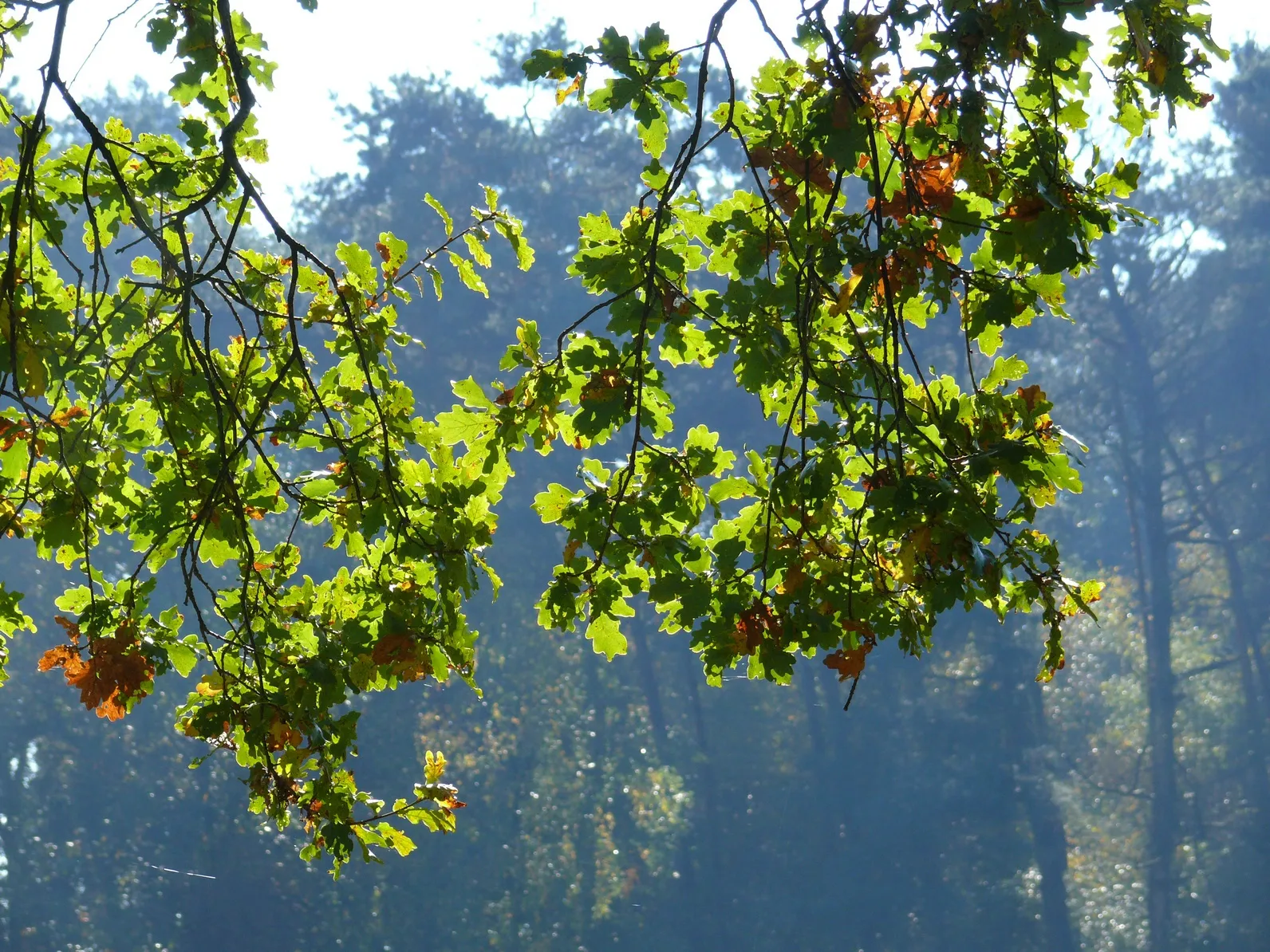
We expect a carpet of colorful leaves in October. Seeing a flurry of yellow or brown foliage in the middle of July can be alarming. If you've wondered why your tree is dropping leaves in summer, you aren't alone. In Maryland, intense humidity followed by sudden dry spells creates a perfect storm of stressors that can cause even well-established trees to shed early.
At Genesis Tree Care, we treat summer leaf drop as the tree's way of communicating. It is rarely random; usually it's a survival mechanism or a reaction to a hidden problem. Understanding the cause is the first step in telling whether your tree is in a temporary slump or a serious decline.
1. Drought Stress and the Survival Shed
The most common reason is simple: the tree is thirsty. Trees lose a large amount of water through their leaves. When Maryland ground is parched and baked by the sun, the tree can't pull up enough moisture to sustain its entire canopy.
To survive, the tree sheds part of its foliage, reducing its leaf surface and slowing water loss. You'll often see this in species like tulip poplars and birches during a heat wave. It's essentially the tree putting itself on a water diet.
2. Pest Infestations and Sucking Insects
Sometimes the cause isn't the weather but the insects living on the leaves. Summer is prime time for aphids, scale and spider mites, which pierce leaf tissue and drain its fluids, causing leaves to yellow, curl and drop. Signs of a pest problem include:
- Sticky residue: If your car or patio under the tree is coated in a sticky substance (honeydew), you likely have aphids or scale.
- Stippling: Tiny yellow dots on the leaves often point to spider mites, which thrive in hot, dry summers.
- Webbing or visible insects: If leaf drop comes with webbing or insects you can see, it's time to call a certified arborist for a targeted treatment plan.
3. Fungal Diseases: Anthracnose and Leaf Spot
We often associate fungi with damp springs, but many Maryland tree diseases don't show their full symptoms until summer. Anthracnose and various leaf spot fungi can cause rapid leaf drop in July and August.
In these cases, leaves don't just turn yellow; they develop distinct brown or black spots or blotches before falling. Most healthy trees survive a single season of fungal leaf drop, but repeated years of infection can weaken the tree and lead to dieback that needs professional attention.
4. Overwatering and Poor Drainage
Surprisingly, the symptoms of too much water look almost identical to those of too little. If your tree sits in a low spot or in heavy clay soil that doesn't drain, its roots can effectively drown.
Roots sitting in standing water can't get oxygen. They begin to rot, which cuts off the water supply to the leaves. If your lawn is lush and green but your tree is dropping yellow leaves, you may be over-irrigating. Proper landscaping and mulching can help regulate soil moisture.
5. Heat Scorch and Environmental Shock
Trees planted near asphalt driveways or brick walls deal with intense reflected heat. That localized heat can scorch the edges of the leaves, and the tree may drop the damaged leaves to focus on protecting the shaded interior of its canopy.
FAQ: Summer Leaf Drop
Should I fertilize a tree that is dropping leaves in summer?
No. Fertilizing a stressed tree pushes it to produce new growth when it should be focused on survival. Wait until the tree is stable and the weather cools.
How can I tell if my tree is dying or just stressed?
Try the scratch test. Gently scratch a small twig with your fingernail. If it's green and moist underneath, the branch is alive. If twigs are brown and brittle throughout the tree, there may be a bigger problem.
Is it normal for evergreens to drop needles in summer?
Some interior needle drop is normal as evergreens age. If the outer tips are turning brown and falling in July, it's usually drought stress or a fungal needle cast disease.
How much should I water my tree during a summer dry spell?
A deep soak once a week is better than a light sprinkle every day. A common guideline is about 10 gallons of water per inch of trunk diameter.
Conclusion
Seeing your trees shed their greenery early is disheartening, but understanding why your tree is dropping leaves in summer lets you act before the damage becomes permanent. Whether it's a simple lack of water or a fungal infection, trees are resilient; they sometimes just need help getting through the Maryland heat.
If you're worried leaf drop is a sign of something more serious, don't wait for the branches to go bare. Genesis Tree Care can assess your tree's health and recommend a plan to restore its vigor.
Revitalize your landscape: contact Genesis Tree Care for a professional health assessment today.