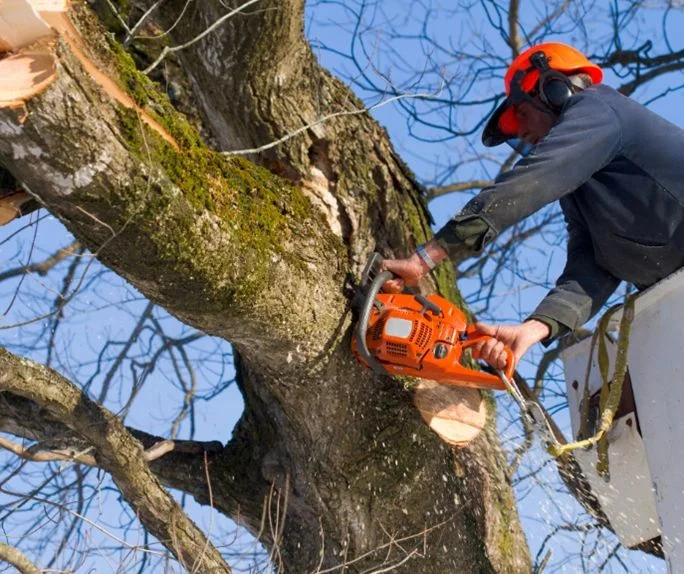
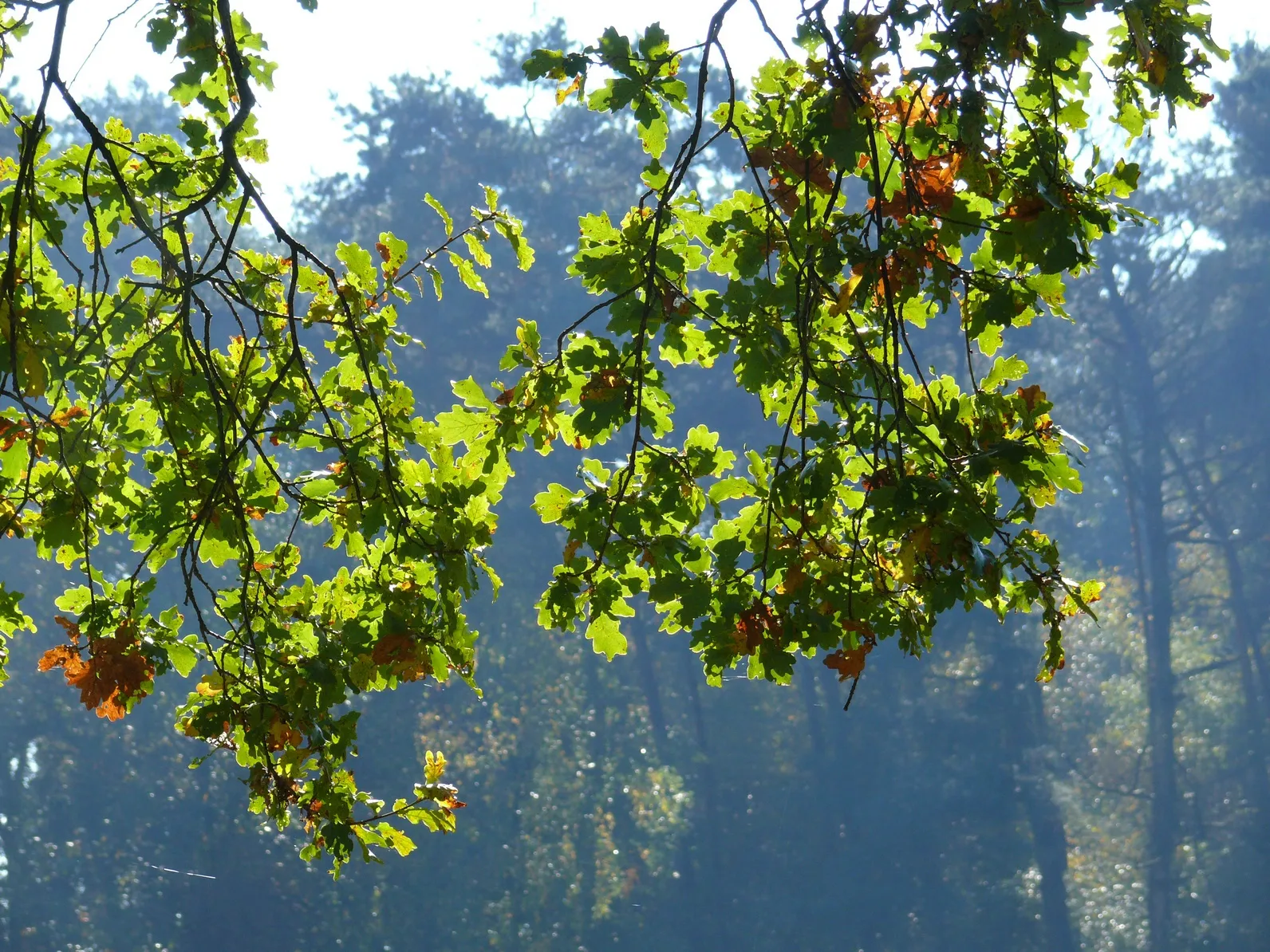
Summer in Maryland is a time of vibrant growth, but for homeowners looking to tidy up the landscape, it can also be a time of hidden danger for their trees. Winter is traditionally the best time for maintenance, so many people wonder why summer tree pruning can be risky, and whether there's ever a time when it actually helps.
At Genesis Tree Care, we get many calls in humid July and August from residents noticing overextended limbs or yellowing leaves. Understanding the balance between necessary maintenance and harmful stress is key to keeping your canopy healthy. This guide explores the risks of summer trimming and the situations where a summer cut is exactly what the arborist ordered.
The Risks: Why Your Trees Might Struggle
Pruning is effectively surgery for a tree. In summer, trees are at their most active, which changes how they respond to being cut.
1. The energy drain
In winter, a dormant tree stores its energy in its roots. In summer, its leaves are producing food through photosynthesis. Removing a large part of the canopy in July takes away the tree's solar panels right when it needs them to cope with heat stress, which can stunt growth and leave the tree depleted going into winter.
2. Disease and pest attraction
Humid Maryland summers are peak season for fungi and wood-boring insects. Fresh pruning cuts release sap and scents that attract pests. Pruning oaks in summer is strongly discouraged because it can draw the beetles that spread oak wilt, a devastating fungal disease. Fruit trees are also highly susceptible to fire blight during warm, wet periods.
3. Sunscald
Trees can get sunburned. Interior bark is used to being shaded by the outer leaves. Heavy pruning and canopy thinning during a heat wave can expose that bark to direct afternoon sun, causing sunscald, cracked bark and lasting damage.
When It's OK: The Strategic Summer Cut
Despite the risks, summer pruning isn't always off-limits. Sometimes it's the preferred time to act.
1. Removing the three Ds
Never wait to remove dead, damaged or diseased wood. A limb cracked during a late-June thunderstorm is a safety hazard and an entry point for rot if left until winter. Removing diseased limbs in summer can stop an infection before it reaches the trunk.
2. Managing water sprouts and suckers
Summer is the best time to spot and remove water sprouts, the thin vertical shoots that grow rapidly from the trunk or main branches. They steal nutrients and clutter the canopy, so removing them midsummer keeps the tree from wasting energy on junk growth.
3. Directing growth and improving airflow
If a tree is growing vigorously and blocking a view or touching your roof, light summer thinning can slow it down. Thinning a dense interior during a humid summer also improves airflow, which reduces the risk of powdery mildew and other leaf diseases.
The Arborist's Approach to Summer Care
In Maryland, the decision to prune in summer should depend on the species and the current weather. During the growing season, we take a minimalist approach, focusing on structure and hazard reduction rather than heavy reshaping.
In the middle of a drought or a heat wave, we typically recommend postponing nonessential pruning. A tree already struggling for water doesn't need the added stress of healing a wound. Learn about our tree trimming and pruning service.
FAQ: Summer Tree Pruning
Can I prune my flowering trees in the summer?
For spring bloomers like dogwoods and azaleas, prune in early summer, right after the flowers fade, so you don't cut off next year's buds.
Will my tree bleed sap if I cut it in July?
Some species, like maples and birches, are "bleeders." The sap loss looks alarming but is rarely fatal. It can attract insects, though, which is why we generally prefer to prune these species in late fall or winter.
How much of the canopy can I safely remove in summer?
Keep summer pruning light and remove only a small portion of the living foliage. Heavier cuts can trigger a stress response that leaves the tree vulnerable to pests.
Is it safe to trim evergreens in the summer?
Most evergreens, like spruces and firs, are best pruned in late winter. Light trimming of junipers or arborvitae for hedging can be done through midsummer.
What if a storm breaks a limb in August?
That's an exception to the rule. Broken, jagged limbs should be cut back cleanly as soon as possible to help the tree heal. If the damage is extensive, you may need emergency tree removal.
Conclusion
Understanding why summer tree pruning can be risky helps you make decisions that protect your property's long-term value. The urge to clean up the yard is strong in the sunny months, but your trees often prefer to be left alone to handle the heat.
If you're not sure whether your tree needs a summer cut or should wait for cooler weather, let Genesis Tree Care take a look. A certified arborist can make sure every cut on your property is a cut for the better.
Keep your landscape safe and healthy: schedule a pruning consultation with Genesis Tree Care.