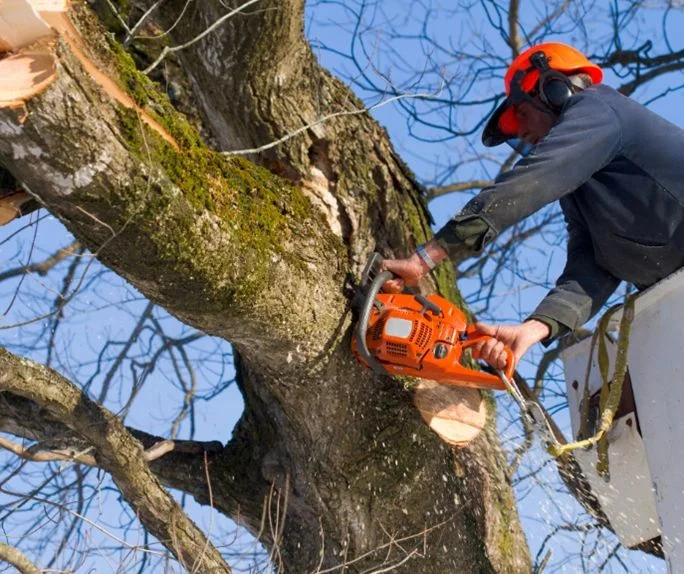

Maryland's chilly winter winds can wreak havoc on your trees. Frost, ice storms and long dormant periods create unique challenges, and homeowners across Annapolis, Severna Park, Edgewater and Arnold need reliable ways to protect their trees and properties.
This checklist covers winter care for some of Maryland's best-loved native trees: the white oak (Quercus alba, our state tree), red maple (Acer rubrum), flowering dogwood (Cornus florida) and tulip poplar (Liriodendron tulipifera). Whether you're a do-it-yourselfer or looking for professional winter tree pruning, these strategies will help prevent damage, promote health and keep your trees resilient through winter.
Why Winter Tree Care Matters in Maryland
Maryland winters can swing from mild coastal days to hard frosts. Without proper care, trees risk root desiccation, branch breakage from ice and salt damage from treated roads. The key benefits of winter tree maintenance:
- Reduces storm risk: Dormant pruning removes weak branches that snap under snow.
- Improves tree health: Mulch insulates roots and helps retain moisture.
- Saves money: Early intervention helps prevent emergency tree removal during icy weather.
Tip: Schedule a dormant-season inspection to catch problems early.
Winter Care Tips for Maryland's Common Native Trees
White oak (Quercus alba)
The white oak, with its broad canopy and acorn bounty, symbolizes resilience. This giant can grow to 100 feet tall and provides wildlife habitat and shade. To keep it strong through winter:
- Dormant pruning: Late fall into winter, once the weather is consistently cold, is the time to prune white oaks in Maryland. Remove dead or crossing branches to improve airflow and reduce ice load, and avoid removing too much of the canopy at once.
- Mulch: Apply 2 to 4 inches of organic mulch, like shredded leaves, in a ring around the base, keeping it a couple of inches from the trunk to prevent rot. It insulates roots against freeze-thaw cycles.
- Winter watch: Check for rodent damage under snow; trunk guards help deter chewing on young trees.
Mature white oaks also intercept large amounts of rainwater, which helps reduce runoff into the Chesapeake Bay.
Red maple (Acer rubrum)

Red maples line Maryland's wetlands and streets with fiery fall color, but their thin bark can crack in extreme cold, and they're sensitive to road salt.
- Deep watering: Before the ground freezes, water deeply if rainfall has been scarce.
- Trunk wrapping: Use tree guards or burlap to protect young trees from sunscald and frost cracks. Remove wraps in spring to avoid pest problems.
- Salt safeguards: Rinse the area with water after snowmelt to flush de-icing salts from the soil.
These fast-growing trees (40 to 70 feet) support pollinators, and a little care keeps their spring color coming back.
Flowering dogwood (Cornus florida)
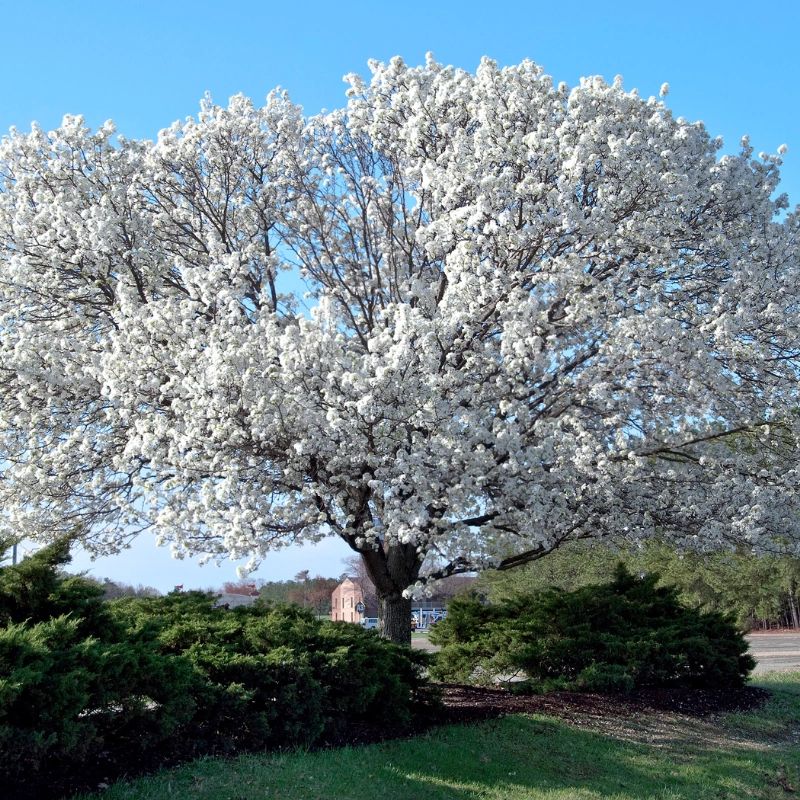
Dogwoods dazzle with spring blooms but can suffer from anthracnose and other fungal problems in wet winters. At 15 to 30 feet, they add charm to shaded yards and are fairly low-maintenance with the right preparation.
- Selective pruning: During dormancy, thin crowded branches to let in sunlight and reduce disease. Remove water sprouts near the base.
- Moisture management: Mulch lightly (1 to 2 inches) to suppress weeds and hold moisture, but avoid overwatering; soggy soil invites root rot.
- Pest patrol: Inspect bark crevices for scale insects. A dormant horticultural oil spray, applied when temperatures are above about 40°F, helps keep them in check.
Tulip poplar (Liriodendron tulipifera)
One of Maryland's tallest native trees, the tulip poplar grows fast, and its relatively weak wood is prone to breaking under ice.
- Structural pruning: While the tree is leafless, address co-dominant leaders to prevent V-shaped unions from splitting.
- Root zone care: A 3-inch mulch layer around the root zone holds soil warmth and reduces competition from invasive vines.
- Storm prep: Stake young trees in windy spots, and watch for girdling roots.
General Winter Checklist for All Maryland Trees
- Water wisely: Hydrate evergreens and new plantings every two to three weeks if the weather is dry.
- Prune proactively: Bare branches reveal flaws; have a certified arborist make the cuts safely.
- Mulch mindfully: No volcano piles. A doughnut-shaped layer protects without smothering. See our mulching service.
- Guard against critters and chemicals: Fencing deters deer; barriers block salt spray.
- Monitor for stress: Yellowing needles or dieback? Act quickly to protect your investment.
Ready to Winter-Proof Your Maryland Trees?
Don't let winter catch your trees off guard. With more than 25 years serving Maryland families, Genesis Tree Care provides winter tree services from routine pruning to full assessments.
Contact us today for a free assessment. Your oaks, maples and dogwoods will thank you come spring.