As crisp Chesapeake Bay winds sweep through Annapolis, our trees, from the oaks shading historic streets to the maples along the Severn and the dogwoods in our backyards, enter dormancy. Winter in Maryland's Zone 7b isn't just about cozy fires and holiday lights; it's a critical time for tree health. Freezing temperatures and salty road treatments put unique stress on your trees. Genesis Tree Care has served Annapolis-area homeowners for more than 25 years, and we've gathered the questions we hear most into this guide to winter tree care.
1. Should I Still Water My Trees in Winter?
The short answer: Yes, but sparingly, especially evergreens and newly planted trees. Annapolis winters are mild but unpredictable, and brisk northwest winds off the Bay can dry the soil faster than you'd think. Trees can't take up water when the ground is frozen, which can lead to desiccation.
Tip: Water deeply every two to three weeks if there's no rain or snowmelt, focusing on the root zone. Stop once the ground freezes solid. For young trees near the waterfront, this matters even more. Our certified arborists can check soil moisture and recommend a winter watering plan.
2. When's the Best Time to Prune Trees in Winter?
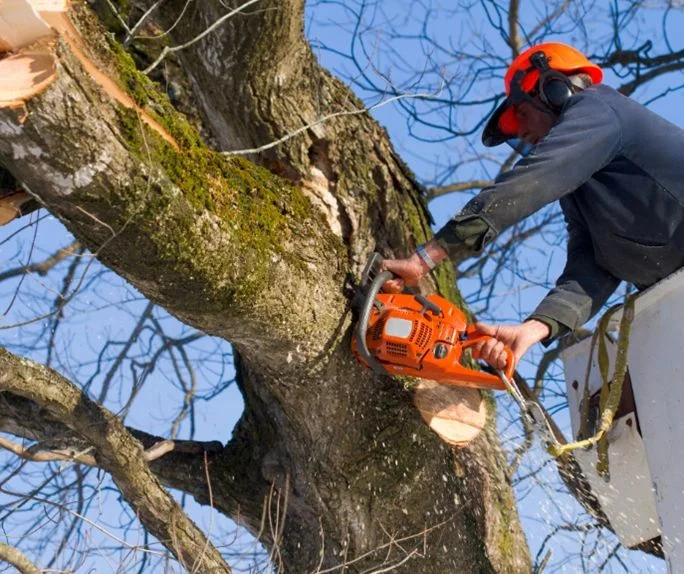
The short answer: Late winter (February and March), during dormancy, for most species. Bare branches reveal the tree's structure, making it easier to spot weak limbs or storm damage from fall nor'easters. Dormant pruning is also less stressful for the tree and lowers disease risk.
Tip: Native red maples and other deciduous trees are good candidates after the holidays, but hold off on spring-blooming shrubs until after they flower. Avoid pruning during a deep freeze. Our dormant pruning service removes hazards safely so your trees are ready for next year's storm season.
3. How Do I Protect Young or Newly Planted Trees from the Cold?
The short answer: Wrap trunks, mulch roots and stake properly. Maryland winters can swing from 50°F days to hard freezes, shocking tender bark and shallow roots. Sunscald is a common problem: winter sun warms the trunk during the day, and nighttime freezes crack the bark.
Tip: Use tree wraps or guards on the lower trunk, especially for fruit trees. Spread 3 to 4 inches of mulch around the base, keeping it off the trunk, to insulate the roots. We can help protect young trees with winter wrapping and burlap screens.
4. What Should I Do About Snow and Ice on Branches?
The short answer: Gently remove heavy snow; don't whack it off. Annapolis snowfalls aren't usually huge, but when snow mixes with ice, branches can snap under the weight. Evergreens like hollies hold snow like shelves, which invites breakage.
Tip: Use a broom to sweep snow upward from below. For iced limbs, wait for a thaw rather than trying to knock the ice off, which can shatter branches. If a limb breaks and creates a hazard, see our emergency tree removal service.
5. How Can I Avoid Damaging Trees with Salt and De-Icers?
The short answer: Choose tree- and pet-safe alternatives and create barriers. Road salt builds up in the soil, causing root burn and dieback, especially in already-stressed coastal trees.
Tip: Use sand, calcium magnesium acetate or beet-based de-icers on driveways. Put up burlap screens or snow fences near roadsides. Testing your soil periodically can reveal salt buildup that affects nutrient uptake.
Let Genesis Tree Care Be Your Winter Tree Ally
Winter in Annapolis can be magical, and proactive care keeps your trees from becoming casualties. Healthy trees boost property values, provide winter habitat for wildlife and help filter the air. For more answers, see our frequently asked questions.
Contact Genesis Tree Care today for a free Annapolis-area tree assessment.