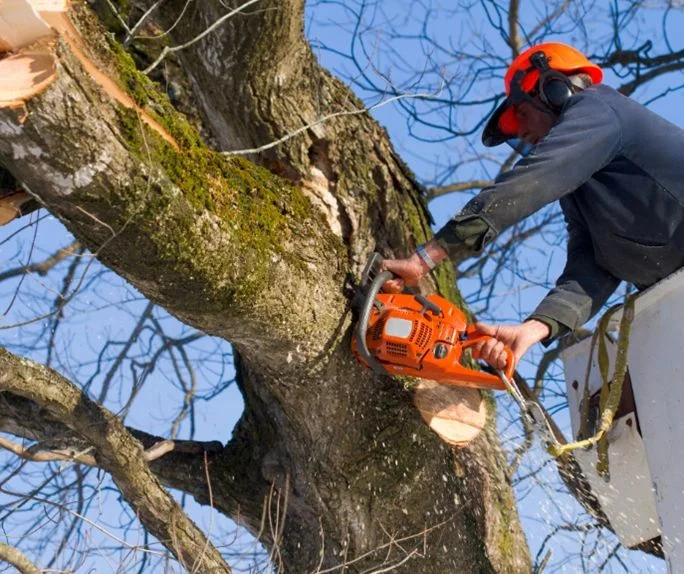
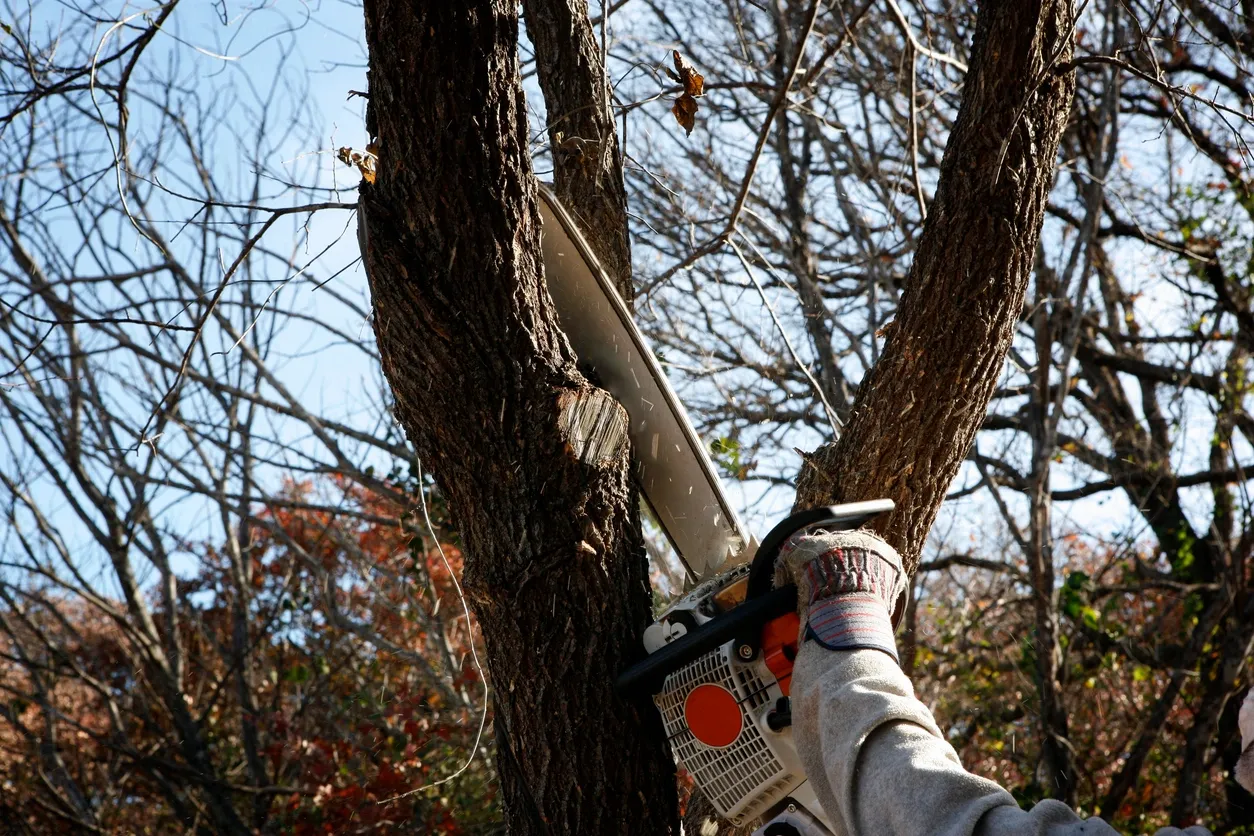
As the humidity of the Chesapeake summer fades and the sails on the Severn River give way to the colors of autumn, Annapolis homeowners begin to look at their landscapes with a fresh perspective. Fall is a season of transition, making it a popular time for yard work. When it comes to your canopy, though, knowing the best time to trim trees in Annapolis is essential for making sure your trees don't just survive the winter, but thrive in the spring.
At Genesis Tree Care, we receive many questions about whether September and October are ideal for pruning. The answer is nuanced: some tasks are perfect for the fall, while others are better left for the deep dormancy of winter. This guide walks you through the do's and don'ts of autumn tree maintenance in our coastal Maryland climate.
1. Why Fall Is the Season for Hazard Identification
One of the main reasons autumn is a good time to trim for safety is the visibility of the "three Ds": dead, damaged and diseased wood.
As deciduous trees change color and shed their leaves, it becomes much easier for a certified arborist to spot the limbs that didn't thrive over the summer. Removing these heavy, dead branches now is a critical step in storm preparedness. In Annapolis, we often face heavy, wet snowfalls and freezing rain in the coming months; clearing deadwood now helps prevent these branches from failing under the weight of ice and damaging your home or vehicles.
2. Pruning for Storm Resilience
Before the nor'easters and winter gusts arrive, fall offers a strategic window to reduce your tree's "wind sail." If your trees have become overly dense or lopsided over the growing season, they are at a higher risk of toppling or snapping during high-wind events.
Our team uses fall trimming to thin the canopy and reduce the weight on overextended limbs. This proactive pruning lets the wind pass through the tree rather than pushing against it. That is particularly important for properties near the water, where wind speeds are often higher.
3. The Fall Pruning Trap: Timing Matters
While fall is great for removing hazards, it is not always the best time for major structural reshaping.
In early fall, trees are still active but preparing for dormancy. Heavy pruning in September or October can stimulate a flush of new growth. Because temperatures are dropping, this tender growth doesn't have time to harden off before the first frost, leading to tip dieback and unnecessary stress. Generally, we recommend saving large-scale aesthetic pruning for late fall (November) or winter, once the tree is fully dormant.
4. Species to Prioritize and Species to Avoid
The best time to trim depends heavily on what is growing in your Annapolis backyard:
- Evergreens: Late fall is an excellent time to shape evergreens like hollies and Leyland cypresses. They are hardy and handle the transition into winter well.
- Flowering trees: Avoid pruning spring-blooming trees like cherries or dogwoods in the fall. If you trim them now, you are cutting off next year's flower buds.
- Oaks: To help prevent the spread of oak wilt, have oaks trimmed only once the weather is consistently cold, typically from late November through February.
5. Cleaning Up for Tree Health
Fall tree care isn't just about the branches; it's about the environment around the trunk. As part of your fall routine, also focus on:
- Removing suckers: Clear away the small shoots growing from the base of the tree.
- Clearing debris: Remove fallen, diseased leaves from the root zone to prevent fungal spores from overwintering in your landscaping and mulch beds.
FAQ: Annapolis Fall Tree Trimming
Is it safe to trim trees in the rain?
For the safety of our crew and the health of the tree, we avoid heavy pruning during active rainstorms. Wet conditions can make bark more prone to tearing and allow fungal spores to enter fresh cuts more easily.
Should I seal pruning cuts with paint?
Modern arboriculture suggests that wound paint is actually detrimental, as it traps moisture and bacteria. A clean cut made at the right time is all the tree needs to seal itself naturally.
Can I save money by trimming my trees myself?
For small, ground-level shrubs, DIY is fine. For large trees, the risk of injury and the potential for over-pruning, which can kill the tree, make it much safer to hire professionals.
What is the difference between thinning and topping?
Thinning is the selective removal of branches to improve structure; topping is the indiscriminate cutting of branch tops. Never top your trees; it creates weak growth and high-hazard risks.
Conclusion
Finding the best time to trim trees in Annapolis is about balancing the calendar with the specific needs of your landscape. By focusing on hazard removal and structural safety in the fall, you set your property up for a secure winter and a beautiful spring.
Don't wait until the first ice storm to worry about your trees. The experts at Genesis Tree Care can provide a professional fall assessment and precision tree trimming to protect your home and extend your canopy's life.
Prepare your landscape for winter: schedule your fall trimming with Genesis Tree Care today.