As the humidity of August gives way to the crisp air of September, Maryland's landscape enters a critical period of transition. While many homeowners are focused on back-to-school schedules or lawn aeration, your trees are quietly preparing for their most demanding seasons: autumn and winter. Working through an end-of-summer tree checklist is the best way to help your trees recover from the summer heat and be structurally sound enough to withstand winter's ice and wind.
At Genesis Tree Care, we know that the care you provide now shapes how your trees will bud next spring. In the Mid-Atlantic, trees face unique challenges, from hurricane-remnant rains to sudden early frosts. This checklist will help you identify what your trees need right now to stay healthy and safe.
1. Inspect for Summer Stress and Hidden Damage
Start with a thorough visual inspection. After a season of heat waves and thunderstorms, your trees might be showing signs of wear that aren't obvious from the porch.
- Check the canopy: Look for "flagging" (individual dead branches) or premature color changes. If your maple is turning red in August, it's likely stressed.
- Examine the trunk: Look for new cracks, oozing sap or holes made by wood-boring insects that thrive in summer heat.
- Identify fungal growth: Look for mushrooms at the base of the trunk. Late summer is prime time for fungal fruiting bodies to appear, which can indicate root rot.
If you find anything suspicious, a professional assessment from a certified arborist can catch a minor issue before it becomes an expensive emergency removal.
2. Evaluate Structural Integrity for Fall Storms
Late summer and early autumn are peak hurricane and tropical storm season for the Maryland coast. A tree that looked fine in June might have developed structural weaknesses over the summer.
- Look for hangers: Identify branches that snapped during summer thunderstorms but are still lodged in the canopy.
- Assess lean: Has the tree's lean increased? Check the soil around the base for heaving or cracking.
- Check V-crotches: Make sure trees with co-dominant stems aren't showing signs of splitting at the union.
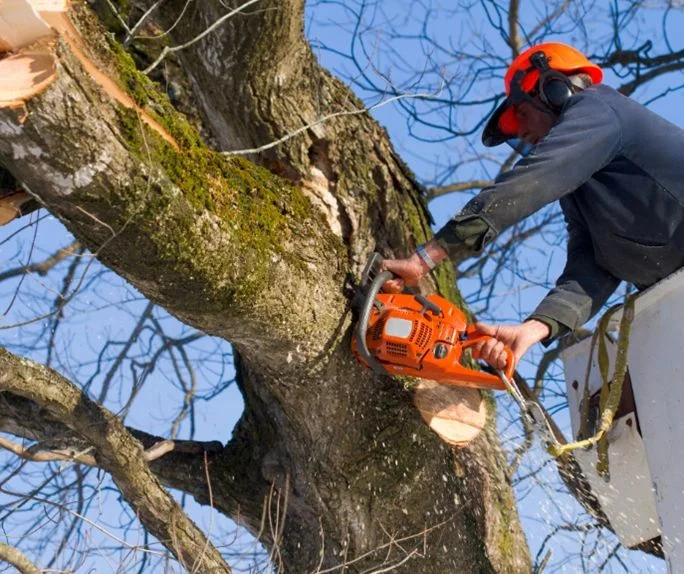
We often recommend structural tree pruning at this stage to reduce the weight of overextended limbs, making the tree less vulnerable to high winds.
3. Hydration: The Recovery Soak
Even after a few rainy days, Maryland's deeper soil can stay parched after a hot August. Trees need to enter the dormant season well hydrated to handle winter's freeze-thaw cycles.
- Deep watering: Give large trees a slow, deep soak. Place a hose at the drip line (the edge of the canopy) and let it trickle for several hours.
- Prioritize young trees: Trees planted within the last two years have smaller root systems and are much more likely to suffer winter desiccation if they aren't hydrated now.
4. Soil Care and Mulch Refresh
Mulch isn't just for looks; it's a blanket for your tree's roots. Check the status of your root zone protection:
- Replenish mulch: If your mulch has decomposed or washed away in summer downpours, add a fresh 2- to 3-inch layer to help regulate soil temperature as the ground cools.
- Avoid the volcano: Keep mulch away from the bark of the trunk.
- Professional mulching: For larger properties, professional landscaping and mulching makes sure the right materials are used to improve soil health without introducing pests.
5. Clear the Ground and Plan for Fall
Finally, take a look at the ground around your trees.
- Remove fallen fruit and debris: Rotting fruit can attract pests and harbor fungal spores that overwinter in the soil.
- Schedule dormant pruning: While heavy structural pruning shouldn't happen in early fall, now is the time to get on the schedule for late-winter dormant pruning. Good tree care companies fill their winter schedules early.
FAQ: Maryland End-of-Summer Care
Should I fertilize my trees in late August?
Generally, no. Fertilizing at the end of summer can stimulate a late flush of new growth that won't have time to harden off before the first frost. Save fertilizer for deep-root feeding in late fall or early spring.
Can I plant new trees at the end of summer?
Early fall is one of the best times to plant trees in Maryland. Cooler air and warm soil let roots establish without the stress of extreme heat.
What should I do if my tree has "bags" hanging from it?
Those are likely bagworms, which are common in Maryland. By the end of summer, they have finished feeding and are in their cocoons. Hand-picking and destroying them now can prevent a large outbreak next spring.
Is it okay to remove dead branches in the fall?
Yes. Removing dead, damaged or diseased wood (the "three Ds") is safe at any time of year and is a key part of storm readiness.
Conclusion
Working through this checklist provides more than a tidy yard; it provides peace of mind. Maryland weather is unpredictable, but your tree care doesn't have to be. These proactive steps help your landscape remain a resilient and beautiful asset for years to come.
Ready to prepare your property for the changing seasons? Genesis Tree Care can help with everything from safety inspections to precision pruning, so your trees are ready for whatever the Maryland winter brings.
Prepare for the seasons ahead: schedule your end-of-summer inspection with Genesis Tree Care.