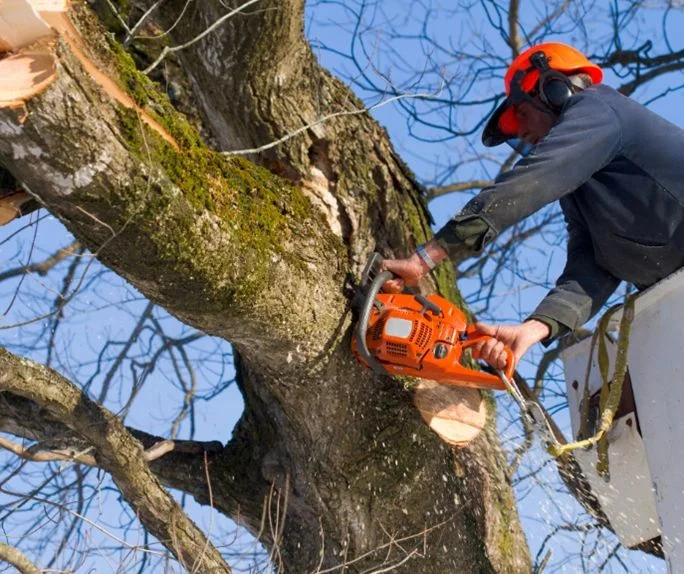

As the humidity of Maryland's summer begins to lift, it is often replaced by a different kind of weather challenge: the fall storm season. From late-season tropical remnants to the heavy, wind-driven rains of October, the transition into autumn can be brutal on an unmaintained landscape. Knowing how to prepare your trees for fall storms is one of the most important steps you can take to protect your home, your roof and your family from preventable damage.
At Genesis Tree Care, we have seen that the most catastrophic tree failures aren't always caused by the biggest storms; they are caused by pre-existing weaknesses that were never addressed. A properly maintained tree is remarkably resilient. This guide outlines the proactive steps you can take to help your canopy stand tall through the wind and rain.
1. Conduct a Ground-to-Canopy Visual Inspection
The first step is a thorough inspection. You don't need to be an expert to spot the most obvious red flags. Walk your property and look for these three danger signs:
- Heaving soil: Look at the base of your large trees. If the soil is cracking or lifting on one side, the root system may be losing its grip.
- Deep trunk cavities: Holes in the trunk or areas where bark is falling off in large sheets are signs of internal rot.
- Hangers: Look up into the branches. Limbs that have already snapped but are caught in the upper canopy can easily fall during the next high-wind event.
If you spot any of these, call a certified arborist for a professional risk assessment before the clouds turn gray.
2. Reduce the Sail Effect with Thinning
A tree with a dense, overgrown interior acts like a giant sail in the wind. Instead of letting gusts pass through, the canopy catches the full force of the wind, putting immense pressure on the trunk and roots.
Strategic thinning is a vital part of storm preparation. By selectively removing smaller interior branches, a process called crown thinning, we allow wind to flow through the tree. This reduces the lever effect that leads to uprooting. At Genesis Tree Care, we focus on maintaining the tree's natural shape while removing the "wind-catchers" that lead to failure.
3. Structural Pruning and Weight Reduction
Many fall storm failures happen because a limb was simply too heavy for its own strength. Large, overextended limbs over your house or driveway are at the highest risk.
Through weight-reduction pruning, we can shorten these limbs and bring their center of gravity closer to the trunk. This reduces the torque placed on the branch union during high winds. If your trees have V-shaped unions, where two trunks grow close together, we may also recommend cabling or bracing as part of your storm prevention plan.
4. Clear the Target Zones
If a tree were to fall, where would it land? Arborists call these areas "targets," and part of storm preparation is minimizing the potential damage to them.
- Power lines: If branches are within 10 feet of power lines, do not attempt to trim them yourself.
- Roof clearance: Branches should be pruned back so they are well clear of your roofline, which keeps them from whipping against your shingles or gutters during a storm.
- Driveways: Clear deadwood from any area where vehicles are parked.
5. Hydration and Mulch for Root Stability
The health of your soil affects how well a tree holds up in a storm. Dry, brittle roots snap more easily than hydrated, flexible ones. If Maryland has had a dry late summer, give your trees a deep soak in early September.
Proper landscaping and mulching also protects the root zone from temperature swings and helps keep the soil moist and cohesive. A healthy root system is the ultimate anchor during a hurricane remnant or an October gale.
FAQ: Fall Storm Preparedness
Is it too late to prune if a storm is forecast for tomorrow?
Never attempt DIY pruning right before a storm; the rush can lead to accidents. If you see an immediate hazard, contact an emergency tree service.
Which trees are most likely to fall in the fall?
Trees that still have a full canopy of leaves are more vulnerable than those that have already shed. Early-season fall storms are dangerous because the leaves add weight and wind resistance.
Can a tree be storm-proofed?
No tree is completely storm-proof, but professional maintenance can significantly reduce the risk of failure.
Does insurance cover tree pruning for storm prep?
Usually not. Insurance typically pays only after a tree falls, so investing in prevention is a proactive way to avoid a much higher deductible later.
Conclusion
Preparing your landscape for the transition into winter is a hallmark of responsible homeownership. By understanding how to prepare your trees for fall storms, you are doing more than protecting your plants; you are helping keep your home and neighborhood safe.
At Genesis Tree Care, we take pride in helping Maryland families weather the storms. Our team is ready to identify your risks and provide the precision pruning needed to keep your canopy secure. Don't wait for the wind to start howling; take action today.
Protect your home this season: schedule a fall storm safety inspection with Genesis Tree Care.