Homeowners often find themselves at a crossroads when a majestic tree on their property begins to show signs of age, disease or structural instability. The internal debate usually pits the desire to save a piece of the landscape's history against the practical need for safety. Deciding between tree removal and tree preservation is one of the most significant choices you can make for your property's value and your family's security.
At Genesis Tree Care, we believe every tree deserves a fair assessment. While some trees are too far gone to be saved, others can be revitalized with modern arboricultural techniques. This guide explores the factors that define the best path forward for your Maryland landscape.
1. When to Choose Tree Preservation
Preservation is the art and science of extending a tree's life while reducing its risks. Many homeowners assume that a large crack or a leaning trunk is an automatic death sentence, but that isn't always the case. Preservation is often the best choice when:
- The tree is healthy but structurally weak: If the tree has co-dominant stems (two trunks growing in a V-shape), cabling and bracing can help. This high-strength hardware limits the movement of the trunks during storms, helping prevent them from splitting apart.
- The value outweighs the cost: A mature oak or maple can add real value to your property. In these cases, investing in deep-root fertilization or specialized tree pruning is a smart financial move.
- The issue is pests or disease in early stages: Many Maryland pests, like the emerald ash borer, can be managed with systemic treatments if caught early by a certified arborist.
2. When Tree Removal Is the Only Responsible Option
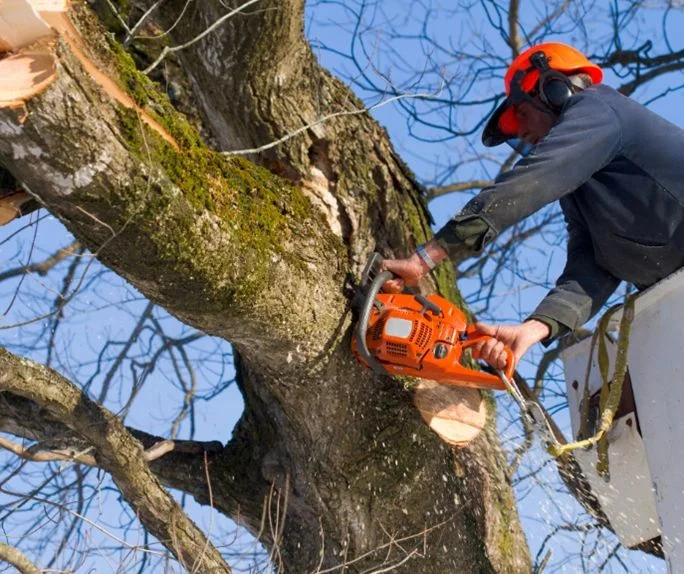
While we love to save trees, preservation has its limits. If a tree has become a high-hazard liability, the risk of it falling on a home, power line or person outweighs its aesthetic value. Removal is usually necessary when:
- Internal rot is extensive: If a large share of the trunk is hollow or decayed, the tree may lack the structural backbone to stand through a Maryland winter storm.
- The root system is failing: If you see heaving soil or fungus growing at the root flare, the anchor is compromised. Unlike a broken branch, a failed root system cannot be fixed.
- It's close to targets: A dying tree in the middle of a field can be left for wildlife; a dying tree ten feet from your child's bedroom must be removed. In high-stakes situations, emergency tree service may be the only way to restore peace of mind.
3. Comparing the Long-Term Costs
When weighing removal against preservation, look at the long-term balance sheet.
Preservation costs are typically recurring. Cabling needs to be inspected every few years, and diseased trees may need annual treatments. However, you maintain your property value and the cooling benefits of the shade.
Removal costs are a larger one-time expense, but they eliminate the liability. After a removal, you also have the opportunity to refresh your landscaping and mulching and plant a new, vigorous tree that will serve the property for decades.
4. The Impact on Maryland Wildlife and Ecology
In the Chesapeake Bay watershed, our trees play a vital role in filtering runoff and providing habitat. When considering removal or preservation, think about the ecological footprint. Preservation keeps the local ecosystem intact. If removal is required, we often recommend planting a native species in its place to keep the local canopy strong.
5. The Professional Assessment
How do the experts decide? At Genesis Tree Care, we combine visual inspection with hands-on testing. We look for "reaction wood," where the tree has tried to strengthen itself, and can perform sounding tests on the trunk to judge the thickness of the sound wood. This evidence-based approach removes the guesswork from the removal versus preservation debate. Learn about tree risk assessments.
FAQ: Removal vs. Preservation
Can a tree be too old to save?
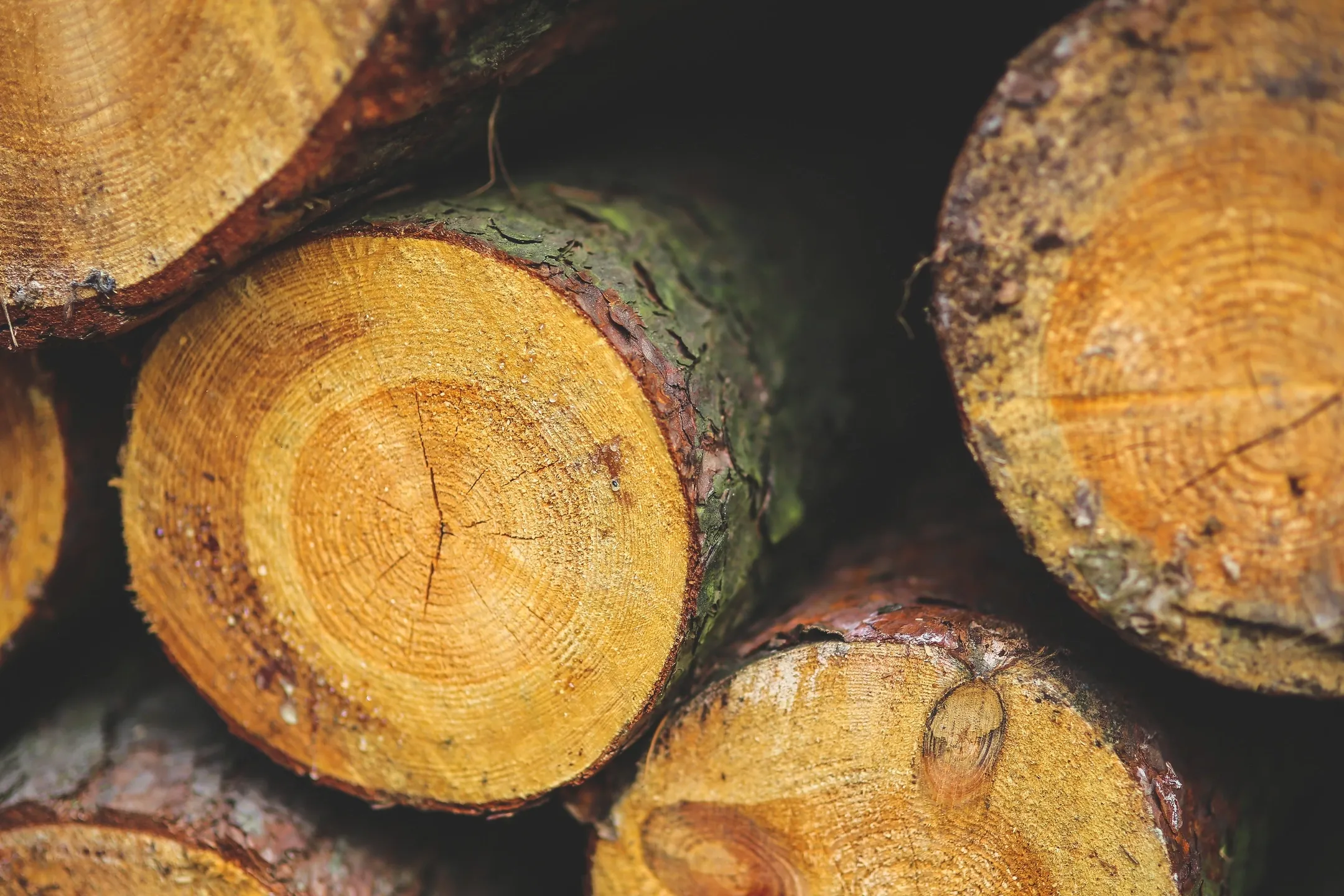
Age alone isn't a reason for removal. Some of Maryland's oldest trees are the most resilient. The decision is based on health and structure, not the number of rings in the trunk.
If I prune my tree heavily, will that save it from removal?
Sometimes. Weight-reduction pruning can take the stress off a weak union, making a removal unnecessary. However, topping a tree will actually make it more dangerous and can lead to its decline.
Is preservation cheaper than removal?
In the short term, often yes. A pruning and cabling job is usually less expensive than a full removal and stump grinding. However, if the tree is in irreversible decline, you are simply delaying the inevitable removal cost.
How do I know if my tree is a historic tree?
Some Maryland counties have "Big Tree" programs or historic registries. If your tree is of a certain size or species, there may be local programs or protections available for preservation.
Conclusion
The choice between tree removal and tree preservation doesn't have to be a solo decision. It requires a balance of environmental care and engineering logic. By understanding the signs of decline and the possibilities of modern arboriculture, you can make a choice that honors your landscape while protecting your home.
Whether you are looking to save a landmark oak or need a safe, professional removal of a hazardous pine, Genesis Tree Care is your partner. Our experts provide honest, transparent assessments to help you decide what is truly best for your property.
Save your tree or secure your property: schedule a consultation with Genesis Tree Care today.