It starts with a few bare branches, and before you know it, the vibrant oak or maple in your yard has stood gray and lifeless for an entire season. For many homeowners, the cost and logistics of tree removal lead to the same question: what happens if you don't remove a dead tree? While it might seem harmless to let nature take its course, a dead tree is a growing threat to your safety, your finances and your surrounding landscape.
At Genesis Tree Care, we have seen the unfortunate consequences of waiting it out. In Maryland, our weather is simply too volatile to leave a structural hazard standing. This guide explores the real risks, from legal liability to pest infestations, that come with ignoring a dead tree on your property.
1. Catastrophic Structural Failure
The most immediate answer is that it will eventually fall. Unlike a living tree, which is flexible and can bend with the wind, a dead tree is brittle. As the wood dries out, its internal fibers lose their elasticity.
In the Mid-Atlantic, we face heavy snow, ice storms and high-wind gusts. A dead tree lacks the structural integrity to withstand these forces. It is not a matter of if it will fall, but when, and where. Without living tissue to hold it together, even a mild breeze can cause large branches to snap, or the entire trunk to fail at the root flare.
2. Pests, Parasites and Infestations
A dead tree is essentially a giant vacancy sign for nature's cleanup crew. Termites, carpenter ants and wood-boring beetles play an important role in the forest, but you do not want them in your backyard.
Once these pests move into a dead tree, it is only a matter of time before they look for their next meal, which could be your neighboring healthy trees or even the wooden structure of your home. Dead trees also often become nesting grounds for rats, mice and other vermin.
3. The Spread of Lethal Diseases
If the tree died from a contagious problem, such as oak wilt, Dutch elm disease or emerald ash borer, leaving it standing allows the problem to spread. Dead wood can serve as a staging ground for spores or larvae that then migrate to your healthy landscape.
A certified arborist can determine whether your tree is a carrier. Removing it promptly is often the best way to protect the rest of your canopy.
4. Legal Liability and Insurance Problems
This is perhaps the most overlooked risk. To insurers and the courts, a dead tree can be treated as a known hazard.
- Negligence: If a dead tree falls and damages a neighbor's roof or car, your insurance company may dispute the claim if it can show the tree was a neglected hazard.
- Liability: If a dead tree on your property injures a passerby or guest, you could face a personal injury claim. Proactive tree removal is far cheaper than the legal fees and higher premiums that can follow a preventable accident.
5. Diminished Property Value and Curb Appeal
Dead trees are an eyesore. They suggest a lack of maintenance and can noticeably reduce your home's curb appeal. If you plan to sell, a home inspector or savvy buyer will flag a dead tree as a liability, often asking for a price reduction larger than the cost of the removal.
Investing in landscaping and mulching after a removal can turn a dangerous eyesore into a fresh opportunity for new growth.
FAQ: Risks of Dead Trees
How long can a dead tree stand before it becomes dangerous?
There is no set timeline. Some trees can stand for years, while others, like pine or poplar, can become unstable in just a few months. Weather, soil moisture and the original cause of death all play a role.
Can a dead tree come back to life in the spring?
No. If the tree has no green tissue under the bark (the cambium layer) and has had no leaves for a full growing season, it is dead.
Is it cheaper to remove a dead tree before it falls?
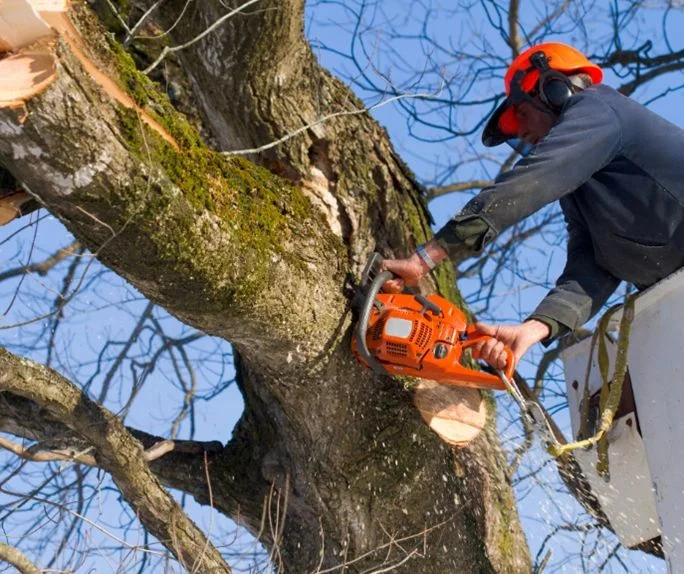
Yes. A controlled removal lets us use rigging and bucket trucks to take the tree down safely. Once a tree has fallen, cleanup often involves emergency labor and damage to structures that must be repaired.
What should I do if a neighbor has a dead tree leaning toward my house?
Safety is a shared responsibility. We recommend photographing the tree and sending your neighbor a polite written notice (certified mail is best for documentation) expressing your concern. This establishes notice of the hazard.
Conclusion
So, what happens if you don't remove a dead tree? You risk the safety of your home, the health of your other trees and your financial security. A dead tree only becomes more dangerous and more expensive to remove as time goes on.
At Genesis Tree Care, we provide safe, efficient, professional removal for peace of mind. Don't wait for a storm to decide the fate of your dead tree. Let us help you clear the hazard and keep your Maryland property beautiful and safe.
Remove the risk today: schedule a free dead tree assessment with Genesis Tree Care.